Why Hire Trapper Jack

Trapper Jack Wildlife Specialist has been providing Wildlife Services to the residents and businesses in Nashville and Middle Tennessee since 1997. With over 100 million verified neighbors across 345,000+ neighborhoods, Nextdoor users have voted Trapper Jack Wildlife Specialist their Neighborhood Favorite for the past 5 years! Trapper Jack Wildlife Specialist is Accredited with the Better Business Bureau and has maintained an A+ Rating since its inception. Trapper Jack Wildlife Specialist is Rated 4.8/5 on Google, with countless positive reviews.
Just ask around...Trapper Jack Wildlife Specialist is a Name You Can Trust and a Name You Can Recognize!
Wildlife that’s found its way into your home or property is a nuisance that you can’t afford not to get rid of. Unwanted animals can damage your property in ways that you may not know how to repair. Trapper Jack Wildlife Specialist offers full-service wildlife removal in Middle, TN. Rely on us to take care of animal removal for your home as soon as you need us. Learn More >
You want to rely on a company that has experience in their industry. Our technicians have been with us for years. Trapper Jack Wildlife Specialist was established in 1997 and has over 29 years of experience removing nuisance animals from people’s homes and properties. Whether they’ve burrowed underneath your home or taken over your attic, we have the knowledge and skill necessary to remove the animals.
You don’t always have time to wait to get rid of unwanted wildlife. Trapper Jack Wildlife Specialist offers same-day service for the times you just can’t wait. We also offer emergency services. If an animal is terrorizing your home, give us a call today.
We’re so certain of our skills that we guarantee that the animals that entered your home won’t come back. After we’ve repaired the wildlife damage, sealed ALL recommended-potential entry and restored your home, the wildlife won’t be able to get back inside. Once repairs and exclusion work has been performed by Trapper Jack Wildlife Specialist; we then offer a Warranty against future wildlife related problems. Call on us today to get started with the removal. Your Satisfaction is Our Priority. Schedule your Free inspection Today!
We are properly licensed and permitted through the Tennessee Wildlife Resources Agency and insured with liability, auto and workers comp. This means you can hire us with complete peace of mind. Give us a call at 615.469.6000


How Do I Get Rid Of Groundhogs?
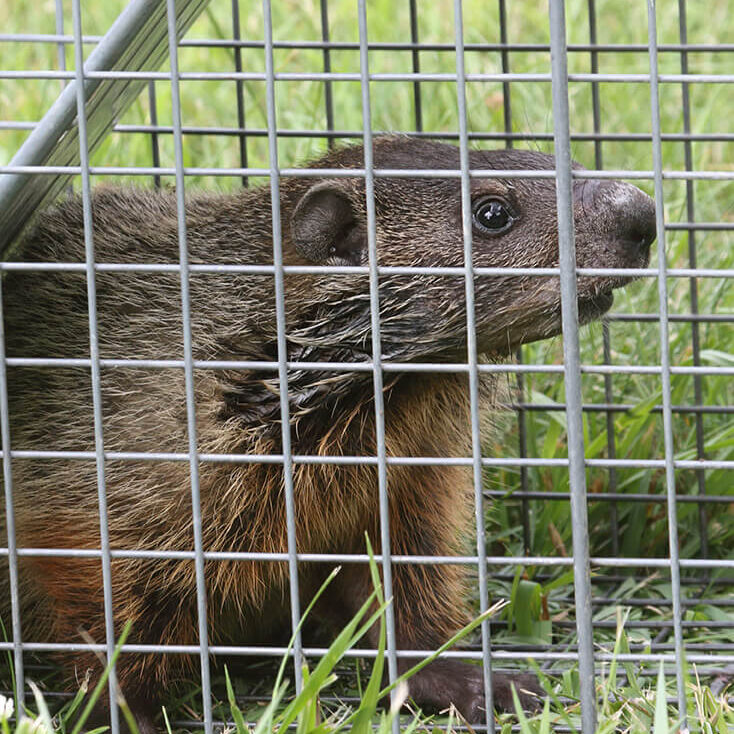
The best method is trapping and removal. If you simply block off their holes, they will dig them out again. They can't be poisoned. They can be live trapped in cage traps or caught in lethal body grip traps. Learn More...
Groundhog Behavior:
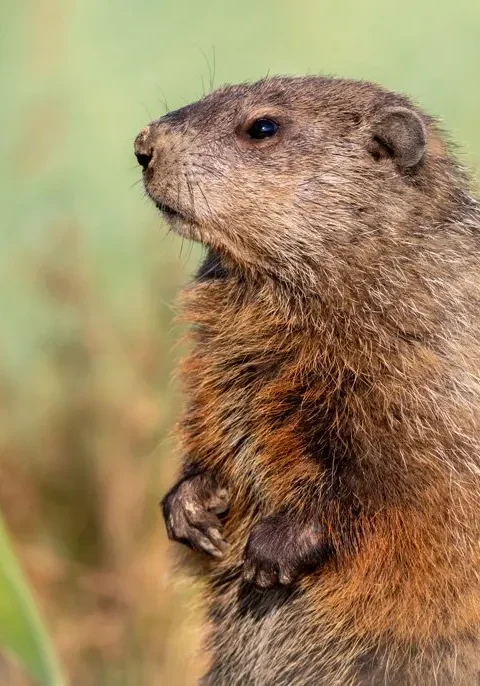
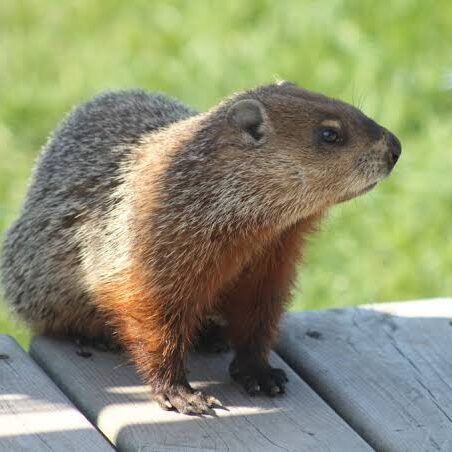
Groundhogs are diggers. They excavate tunnels and burrows underground, in which they live and raise young. The tunnel may have up to five entrances and 50 feet of total tunnel distance. They create a den to live in, and to hibernate in. They are primarily active during the daytime. They can climb and swim, but they mostly stay in fields, foraging. When they sense danger, they retreat for the tunnel. Woodchucks can create a wide variety of vocal noises. They grow fat during the summer, lethargic by autumn, and in winter, they hibernate. They emerge in spring and start the mating process.
Nuisance Concerns:
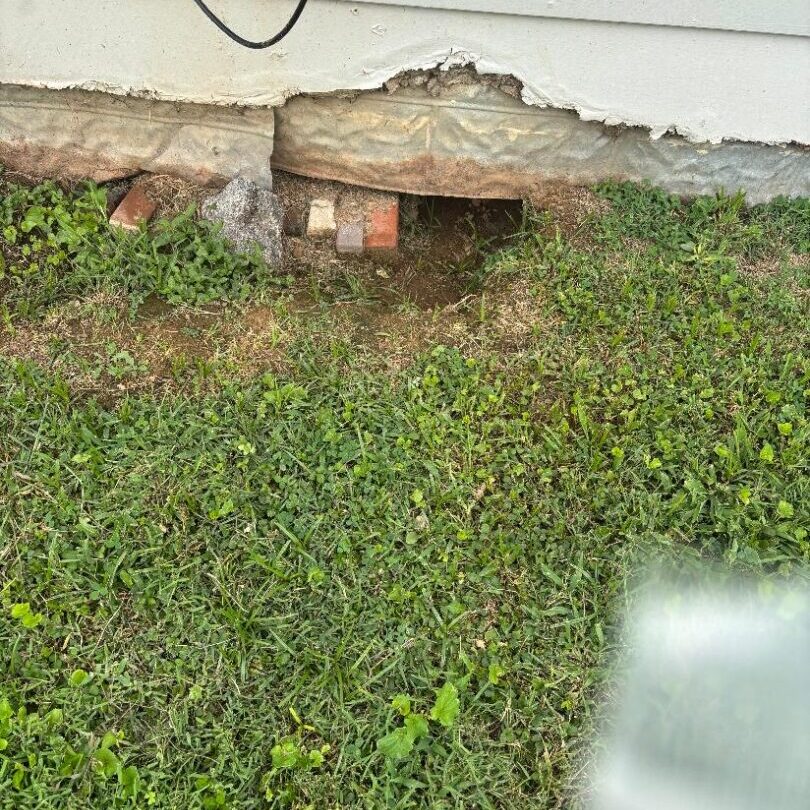
Woodchucks are considered agricultural pests, since they love to eat a wide variety of crops. However, their burrowing habits often cause a bigger problem. Horses can break their legs by stepping into burrows, and when a groundhog digs under a house or deck, the removal of soil can undermine the foundation. Call Trapper Jack Now! 615-469-6000
Groundhog Biology:
Groundhogs (Marmota monax) are rodents, and adults average 8-10 pounds. They give birth in spring to 3-6 young. They can live up to six years in the wild. They are primarily herbivorous, eating a wide variety of plants.
Can't I Just Use a Repellant?
Many people try various repellents to get rid of groundhogs - everything from mothballs to fox or coyote urine. However, none of these are effective. The only sure means of woodchuck control is trapping and removal.
Groundhog Diseases:
No important diseases associated with groundhogs. Learn More...

Customers Say It Best










Frequently Asked Questions (FAQs) - Groundhog Removal
How much damage can groundhogs cause?
Groundhog burrows can undermine foundations, decks, and retaining walls.
What's the most effective way to remove groundhogs?
Live trapping followed by burrow filling. We also seals foundation gaps to prevent them from burrowing back under structures.
Can I use repellents instead of trapping?
Repellents provide temporary relief at best. The only permanent solution is trapping and exclusion.
When are groundhogs most active?
Spring through early fall. They hibernate in winter, but new groundhogs will find the same burrow the following spring if it isn't filled.